The consumption of cannabis has evolved significantly over the years, with edibles emerging as a popular alternative to traditional methods like smoking or vaping. This shift raises intriguing questions about how different consumption methods affect users. Understanding these effects is essential for both recreational users and those using cannabis for medicinal purposes.
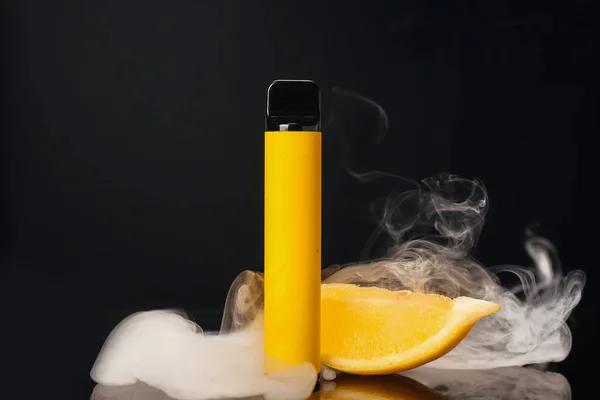
Edibles are food products infused with cannabis extracts, offering a smoke-free way to consume the substance. The primary distinction between consuming edibles and smoking or vaping lies in the mode of absorption into the body. When cannabis is smoked or vaped, it enters the bloodstream through the lungs almost immediately, leading to rapid onset of effects within minutes. In contrast, edibles must pass through the digestive system before cannabinoids enter the bloodstream, resulting in delayed effects that can take anywhere from 30 minutes to 2 hours to manifest.
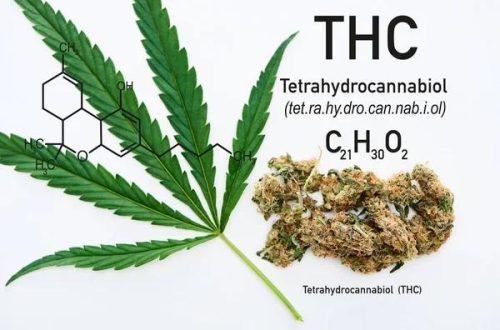
This delay can lead some individuals to mistakenly consume more than intended while waiting for effects to kick in—a phenomenon less common with smoking or vaping due to their immediate impact. The intensity and duration of effects also differ; edible-induced highs tend to be more potent and last longer than those from inhalation methods. This is because when THC (the psychoactive component) is D8 GAS metabolized by the liver after ingestion, it converts into 11-hydroxy-THC—a compound known for its stronger psychoactive properties.
Moreover, edibles offer a discreet and often healthier alternative since they do not involve inhaling potentially harmful substances into the lungs. For medical users particularly concerned about respiratory health, this makes edibles an attractive option. However, dosing precision poses a challenge; while pre-packaged edibles come with specified THC levels per serving, homemade varieties may vary greatly in potency.
On another note, individual differences such as metabolism rate and previous exposure also play significant roles in how one experiences cannabis via different methods. Some people might find that they have higher tolerance thresholds when consuming edibles compared to smoking or vaping.
Despite these variations in experience based on consumption method, it’s crucial for consumers—especially novices—to start low and go slow with dosages regardless of method chosen. Awareness about potential interactions with other substances or medications should also be considered seriously.
In conclusion, exploring how edibles compare to smoking or vaping reveals nuanced differences primarily rooted in absorption rates and resultant physiological impacts on users’ bodies. As legalization expands globally alongside growing interest in non-traditional forms like tinctures or patches too—it becomes increasingly important for comprehensive research efforts aimed at understanding all facets related so informed decisions can be made regarding safe usage practices tailored individually according preferences needs alike across diverse population segments worldwide today tomorrow beyond!