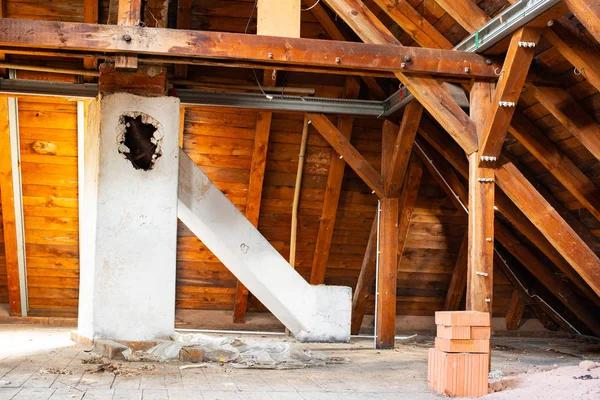
Diagnosing attic problems before they escalate into costly repairs is an essential aspect of maintaining a healthy and efficient home. Homeowners often overlook the attic, yet it plays a crucial role in insulation, ventilation, and overall structural integrity. By regularly inspecting your attic and understanding potential issues, you can prevent minor problems from becoming significant expenses.
One of the first steps in diagnosing attic problems is to conduct regular visual inspections. Look for signs of water damage such as stains on the ceiling or walls, which may indicate roof leaks. Pay attention to any dampness or mold growth as these are clear indicators of moisture issues that could lead to more severe structural damage if left unaddressed. Also, check for any sagging areas or cracks in the roof structure that might suggest weakened support beams.
Ventilation is another critical factor in maintaining a healthy attic environment. Poor ventilation can lead to excessive heat buildup during summer months and ice dams during winter, both of which can cause significant damage over time. Ensure that soffit vents are not blocked by insulation and that ridge vents are functioning correctly to allow proper airflow. Inadequate ventilation can also contribute to moisture retention, further exacerbating potential mold helpful information growth and wood rot.
Insulation quality should not be overlooked when assessing your attic’s condition. Insufficient or improperly installed insulation can result in energy inefficiency, leading to higher heating and cooling costs. Check for gaps or compressed areas where insulation may have shifted over time; this compromises its effectiveness in regulating indoor temperatures.
Pest infestations are another common issue found in attics that require immediate attention. Rodents like mice and squirrels often seek refuge in attics, causing damage by chewing through electrical wires and contaminating insulation with droppings. Regularly inspect for signs of pests such as droppings or nesting materials; addressing these early can prevent extensive damage requiring costly remediation efforts.
Furthermore, consider hiring a professional inspector periodically who specializes in roofing systems if you suspect any underlying issues beyond what you can visually assess yourself. They possess specialized tools like infrared cameras capable of detecting hidden leaks or weak spots within your roofing system without invasive procedures.
In conclusion, proactively diagnosing potential attic problems involves routine inspections focusing on key elements such as moisture control through leak detection measures along with ensuring adequate ventilation systems remain unobstructed while confirming optimal levels exist within existing insulative barriers already present throughout said space alongside vigilant monitoring against possible pest incursions therein too! By staying vigilant about these aspects now rather than later down life’s road ahead awaits tremendous savings both financially speaking but equally important peace mind knowing all bases covered thoroughly indeed!