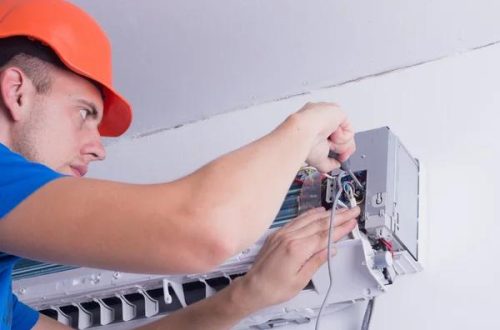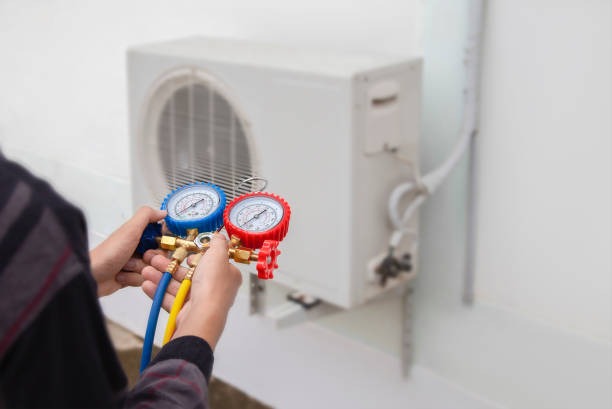
Scheduling HVAC maintenance every six months is a proactive approach that offers a multitude of benefits, ensuring your system operates efficiently and reliably. Regular maintenance not only extends the lifespan of your HVAC system but also enhances its performance, leading to improved indoor air quality and energy efficiency.
One of the primary benefits of biannual HVAC maintenance is increased energy efficiency. Over time, dust and debris can accumulate in your system, causing it to work harder than necessary. This buildup forces the system to consume more energy to maintain desired temperatures, thus increasing utility bills. Regular cleaning and servicing ensure that all components are functioning optimally, which can lead to significant savings on energy costs.
Moreover, consistent maintenance helps in identifying potential issues before they escalate into costly repairs or replacements. Technicians can spot worn-out parts or minor malfunctions during routine inspections and address them promptly. This preemptive action prevents unexpected breakdowns that could leave you without heating or cooling during extreme weather conditions.
Another significant advantage is read the full report improvement in indoor air quality. Your HVAC system plays a crucial role in filtering out pollutants such as dust, pollen, and mold spores from the air inside your home. However, if filters are clogged or ducts are dirty due to neglect, these contaminants can circulate throughout your living space. Regularly scheduled maintenance includes cleaning or replacing filters and inspecting ductwork to ensure clean air distribution throughout your home.
Furthermore, maintaining your HVAC system regularly contributes positively towards environmental sustainability by reducing its carbon footprint. An efficiently running system uses less electricity which means fewer fossil fuels burned at power plants supplying this electricity—ultimately resulting in reduced greenhouse gas emissions contributing toward global warming mitigation efforts.