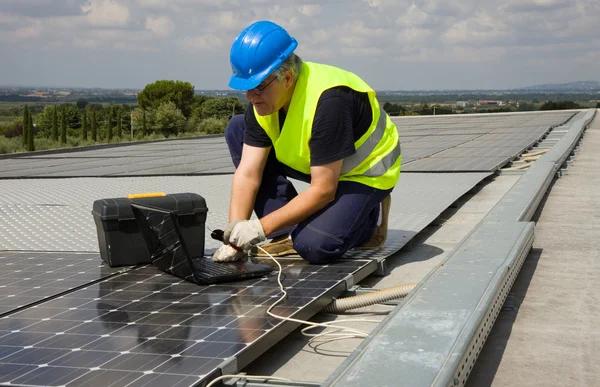
When designing solar installations, ensuring system safety is a critical aspect that must be addressed from the outset. Safe system design involves careful consideration of several technical and regulatory requirements to protect both users and equipment. One of the primary concerns is electrical safety, which includes proper grounding, correct sizing of conductors, and appropriate overcurrent protection devices. Grounding helps prevent electric shock hazards by providing a path for fault currents to dissipate safely into the earth. It also stabilizes voltage levels within the system, reducing risks associated with transient surges or lightning strikes.
Another important factor in safe solar installation design is adherence to local codes and standards such as the National Electrical Code (NEC) in the United States or equivalent regulations elsewhere. These standards specify minimum requirements for wiring methods, equipment ratings, labeling, and installation practices that ensure reliability and safety under normal operating conditions as well as during faults. Compliance with these guidelines not only reduces liability but also improves overall system performance by minimizing potential failure points.
The physical layout of solar panels must also be planned carefully to avoid shading issues while maintaining structural integrity under environmental loads like wind or snow. Proper mounting systems should secure panels firmly uncover more without causing damage to roofs or other supporting structures. In addition to mechanical stability, clearances around electrical components are necessary for adequate ventilation and ease of maintenance.
Inverters play a vital role in converting direct current (DC) generated by photovoltaic modules into alternating current (AC) suitable for use on-site or export to the grid. Choosing an inverter with built-in protective features such as anti-islanding protection prevents dangerous backfeeding during power outages when utility lines are de-energized but may still carry electricity from distributed generation sources.
Battery storage systems integrated with solar installations require additional safeguards because they store energy that can pose fire risks if mishandled or improperly installed. Battery enclosures need ventilation to dissipate heat and prevent gas buildup; furthermore, battery management systems should monitor charge levels continuously to avoid overcharging or deep discharging that could degrade cells or cause hazardous conditions.
Proper labeling throughout the installation provides essential information about circuit functions and emergency shutdown procedures which first responders rely on during incidents involving electrical hazards. Training installers on best practices ensures consistent implementation of safety measures across projects.
Ultimately, designing safe solar installations demands a holistic approach encompassing electrical engineering principles, compliance with regulatory frameworks, mechanical considerations for durability, and operational protocols focused on risk mitigation. By integrating these elements thoughtfully into every stage-from planning through commissioning-solar energy systems can deliver clean power reliably while protecting people and property effectively over their service life.