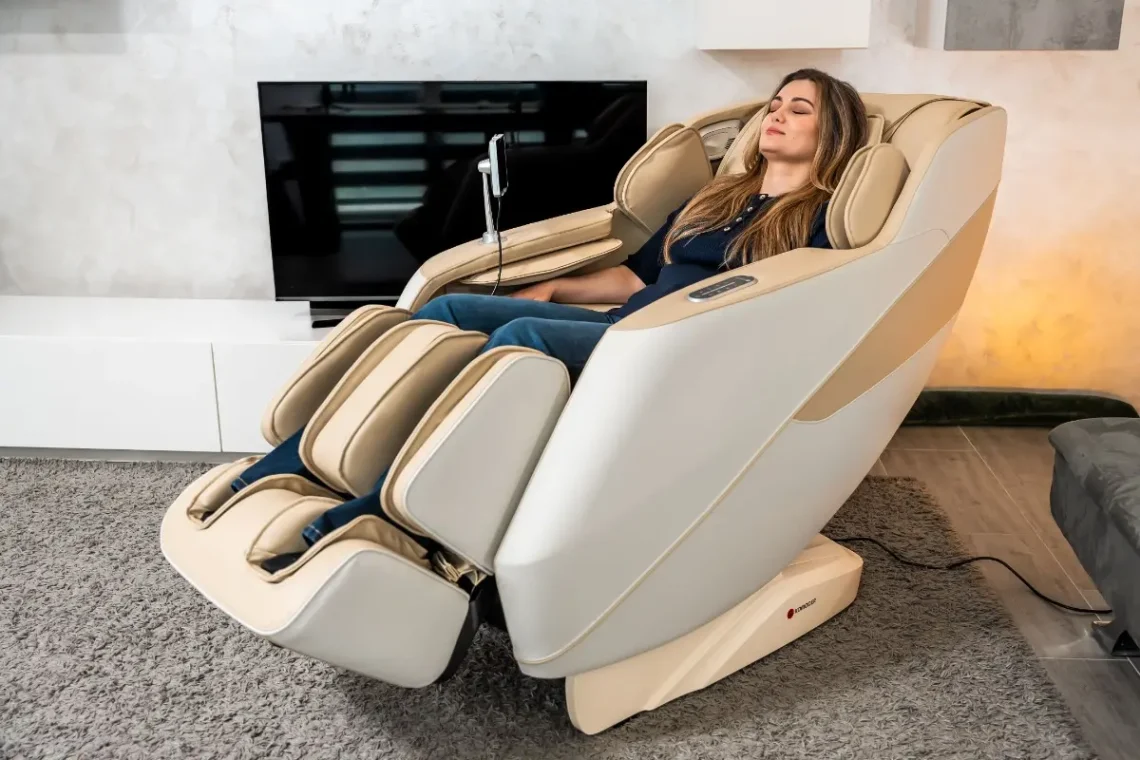
Massage chairs have quietly shifted from luxury showpieces to everyday wellness tools. What used to be found only in malls or high-end spas is now common in living rooms, home offices, and even bedrooms. The reason is simple: people want stress relief without appointments, travel, or recurring costs. Still, buying one isn’t as simple as picking the most expensive model and calling it a day. Real value comes from understanding how these chairs actually feel, function, and hold up over time.
Why Massage Chairs Are More Than a Gimmick
A good massage chair is not about flashy features or robotic movements. It’s about consistency and comfort. When designed well, a chair can mimic the pressure, rhythm, and flow of a professional massage surprisingly closely. The biggest difference users notice is convenience. You can use it for ten minutes after work, late at night, or first thing in the morning without planning around anyone else’s schedule.
What often surprises first-time buyers is how much posture and daily habits affect the experience. People who sit long hours tend to feel immediate relief in the lower back and shoulders, while others appreciate the gradual loosening of tight muscles over weeks of use. This long-term benefit is why many users end up relying on their chair more than expected.
What Actually Matters When Using One Daily
Marketing materials love to talk about rollers, air compression, and zero-gravity positioning, but day-to-day satisfaction usually comes down to how natural the massage feels. A chair can have dozens of programs, yet still feel mechanical if the motion is stiff or poorly aligned with the body. The best chairs adapt to height, body shape, and pressure tolerance without requiring constant adjustment.
Noise is another underrated factor. A chair that sounds like machinery can ruin relaxation, especially in shared living spaces. The most enjoyable models fade into the background, allowing you to read, watch TV, or close your eyes without distraction.
Durability also plays a role in long-term happiness. Upholstery quality, motor strength, and smooth transitions between movements determine whether a chair feels premium after a year or starts to feel worn. This is where real massage chair reviews become more useful than product descriptions, because they reflect actual ownership rather than first impressions.
The Difference Between Short Trials and Long-Term Use
Trying a massage chair for five minutes in a showroom rarely tells the full story. Some chairs feel impressive at first, but become uncomfortable during longer sessions. Others seem subtle initially, yet prove deeply relaxing over time. Long-term users often mention that they learn which programs work best for different moods or physical conditions, treating the chair more like a personal tool than a novelty.
Consistency is key here. A chair that encourages daily use without discomfort is far more valuable than one with aggressive settings you avoid. Over time, many users report better sleep, reduced stiffness, and fewer tension headaches simply from regular sessions.
Are Massage Chairs Worth the Investment?
The cost can be intimidating, but the value depends on usage. If a chair replaces frequent spa visits or helps manage chronic tension, the investment often makes sense within a year or two. For others, the benefit is mental as much as physical. Having a reliable way to unwind at home can change how stress is handled day to day.
That said, not everyone needs the most advanced model. Mid-range chairs often provide the best balance of comfort, reliability, and price. What matters most is matching the chair’s style and intensity to your personal preferences rather than chasing specifications.
Final Thoughts on Choosing the Right Chair
Buying a massage chair is a personal decision, shaped by lifestyle, space, and expectations. Reading detailed massage chair reviews helps cut through hype and reveals how a chair performs beyond the showroom floor. The best choice is rarely the flashiest option, but the one that quietly becomes part of your routine, delivering comfort without demanding attention.
In the end, a massage chair should feel less like a machine and more like a familiar place to relax. When it does that well, it stops being a purchase and starts being an everyday luxury you genuinely use.