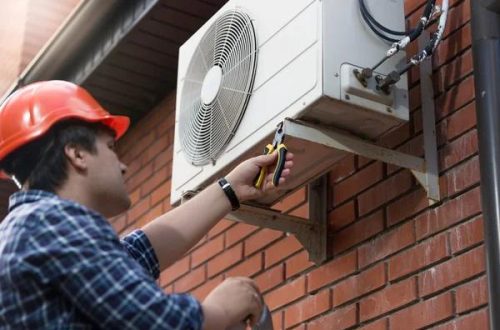
Certified HVAC professionals play a crucial role in diagnosing and addressing heat pump failures, ensuring that these systems operate efficiently and reliably. Heat pumps are complex devices that provide both heating and cooling by transferring heat between the indoors and outdoors. When they malfunction, it can lead to discomfort for building occupants and increased energy costs. Therefore, understanding how certified HVAC professionals diagnose these failures is essential.
The diagnostic process begins with a thorough inspection of the system. Certified technicians start by gathering information from the homeowner or building manager about any irregularities observed, such as unusual noises, reduced airflow, or insufficient heating or cooling. This initial consultation helps narrow down potential issues before any physical examination begins.
Next, the technician performs a visual inspection of the heat pump unit itself. They check for obvious signs of wear and tear or damage to components like coils, fans, electrical connections, and refrigerant lines. Any visible issues can provide immediate clues about what might be wrong with the system.
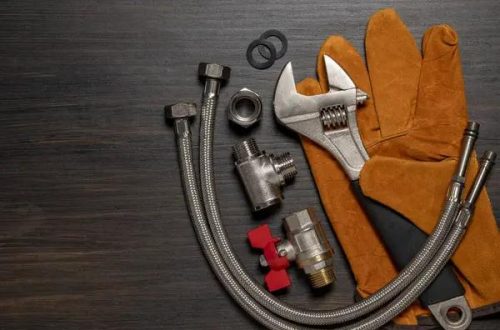
Following this visual assessment, certified professionals utilize specialized tools to conduct more in-depth diagnostics. One critical tool is a multimeter, which measures electrical parameters such as voltage, current, and resistance across different parts of the system. This uncover details helps identify electrical problems like faulty capacitors or broken wires that could impede proper operation.
Another important aspect of diagnosis involves checking refrigerant levels using gauges designed for this purpose. Proper refrigerant levels are vital for efficient heat exchange; low levels may indicate leaks within the system that need addressing promptly to prevent further damage.
Technicians also assess airflow through ducts and filters using anemometers or manometers to measure pressure differences across various points in the ductwork. Blockages or restrictions here can significantly affect performance by reducing efficiency or causing mechanical strain on components.
In some cases where initial checks do not reveal clear causes of failure immediately apparent during standard inspections—advanced diagnostic techniques come into play—such as thermographic imaging cameras capable detecting temperature variations across surfaces revealing hidden issues otherwise missed without them being visible directly upon first glance alone!
Once all data collected analyzed thoroughly alongside manufacturer specifications guidelines provided throughout training certification programs undertaken previously ensures accurate identification root cause failure determined correctly enabling appropriate corrective actions implemented swiftly effectively restoring functionality quickly possible minimizing downtime inconvenience customers experiencing difficulties due malfunctions occurring unexpectedly disrupting daily routines unnecessarily prolonging discomfort experienced unnecessarily long periods time unnecessarily so forth…
In conclusion: Certified HVAC professionals use methodical approaches combining expertise practical skills advanced technology ensure precise diagnoses made timely manner maintaining optimal performance longevity equipment serviced ultimately benefiting end-users relying heavily dependably functioning systems day-to-day basis across diverse range settings residential commercial alike!