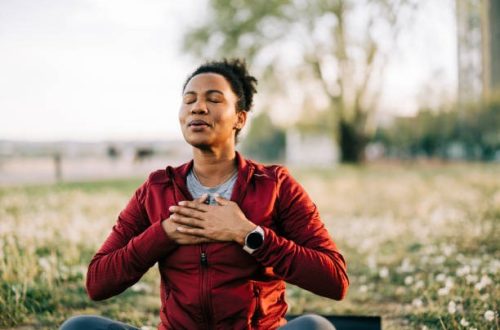
Maintaining good posture as you age is essential for overall health, mobility, and quality of life. As the body undergoes natural changes over time, muscles may weaken, bones can become less dense, and joints might lose flexibility. These factors often contribute to a tendency to slouch or adopt poor postural habits that can lead to discomfort or pain. However, by being mindful of posture and adopting certain practices, it is possible to preserve alignment and reduce the risk of related complications.
One important aspect of maintaining good posture involves strengthening the core muscles. The core includes not only the abdominal muscles but also those in the lower back and pelvis. Strong core muscles provide support best kratom for energy the spine and help maintain its natural curves. Engaging in exercises such as gentle yoga, Pilates, or targeted strength training can enhance muscle tone without putting undue stress on aging joints. Regular physical activity improves balance and coordination as well, which are crucial for preventing falls that could further compromise posture.
In addition to exercise, paying attention to daily habits plays a significant role in sustaining proper alignment. When sitting for extended periods-whether at work or during leisure activities-it is helpful to choose chairs that offer adequate lumbar support and keep feet flat on the floor. Avoiding crossing legs while seated promotes better circulation and spinal positioning. Standing should be done with weight evenly distributed between both feet rather than leaning more heavily on one side.
Ergonomics also matter when using electronic devices like smartphones or computers since looking down frequently strains neck muscles over time. Raising screens to eye level encourages a neutral head position that reduces tension along the cervical spine.
Flexibility exercises are beneficial because they help counteract stiffness commonly experienced with aging joints and connective tissues. Stretching routines focused on areas such as the chest, shoulders, hips, and hamstrings enable greater range of motion necessary for upright posture maintenance.
Regular check-ins with healthcare professionals like physical therapists or chiropractors can provide personalized guidance tailored specifically toward individual needs based on medical history or existing conditions affecting posture.
Lastly, cultivating awareness through mindfulness techniques encourages conscious correction throughout daily movements instead of allowing poor postural patterns to become habitual unconsciously.
By combining strength building with ergonomic adjustments alongside flexibility work and professional advice where needed, individuals can significantly improve their chances of maintaining good posture well into later years without discomfort or limitation impairing their lifestyle choices.