Movement patterns play a crucial role in shaping the body gently, promoting strength, flexibility, and balance without causing strain or injury. These patterns focus on natural motions that the human body is designed to perform, encouraging smooth transitions between movements and enhancing overall physical function. Gentle movement patterns emphasize control and mindfulness rather than intensity or speed, making them accessible for individuals of various fitness levels.
One fundamental aspect of gentle movement is engaging multiple muscle groups simultaneously while maintaining proper alignment. This approach helps develop functional strength that supports everyday activities. For example, controlled squatting mimics sitting down and standing up but done with attention to form can strengthen the legs, hips, and core muscles without excessive pressure on joints. Similarly, slow lunges enhance lower-body stability by encouraging balanced weight distribution and improved coordination.
Another key pattern involves rotational movements that promote spinal mobility and core engagement. Twisting motions performed carefully can increase flexibility in the torso while activating deep abdominal muscles essential for posture support. Incorporating gentle rotation into a routine prevents stiffness often caused by prolonged sitting or repetitive tasks common in daily life.
Flowing sequences inspired by practices like yoga or tai chi incorporate these principles effectively. They combine breathing best kratom vendors techniques with continuous motion to foster relaxation alongside physical conditioning. Movements transition seamlessly from one pose to another, reducing abrupt stops that might cause tension buildup in muscles or connective tissues.
Upper-body mobility also benefits from deliberate movement patterns focusing on shoulder girdle stability and arm articulation. Exercises involving reaching overhead or extending arms forward encourage scapular control and prevent tightness around the neck and shoulders-a frequent problem area due to desk work habits.
Balance exercises integrated within these movement routines improve proprioception-the body’s ability to sense its position in space-reducing fall risk especially as one ages. Standing on one leg with subtle shifts challenges stabilizing muscles gently yet effectively enhances neuromuscular coordination over time.
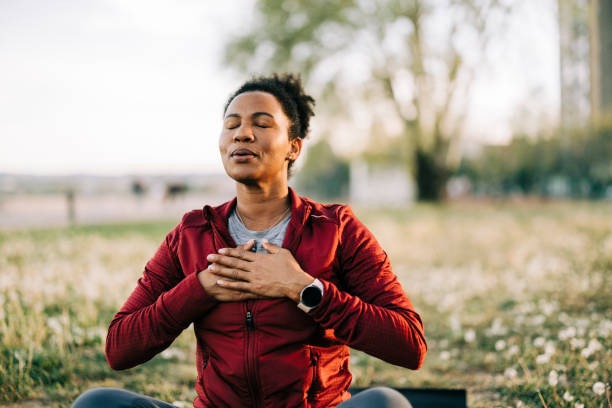
Breathing remains an integral component throughout all these movements because it regulates oxygen flow necessary for muscle performance while calming the nervous system. Synchronizing breath with motion increases awareness of bodily sensations which aids in avoiding overexertion during exercise sessions.
Incorporating such gentle movement patterns into daily life leads not only to gradual improvements in physique but also fosters a sustainable relationship with physical activity rooted in respect for one’s own limits and capabilities. This mindful approach encourages consistency since it minimizes discomfort commonly associated with more aggressive workouts while still delivering meaningful health benefits through steady progression over time.