When a furnace stops working properly, many homeowners immediately think about the repair cost. Understanding the real factors behind furnace repair expenses can help manage expectations and make informed decisions. Several elements influence how much you might pay when your heating system requires attention, ranging from the nature of the problem to labor charges and parts availability.
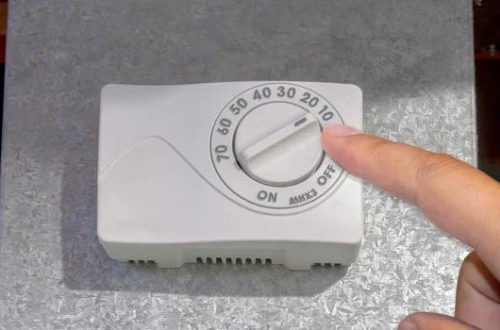
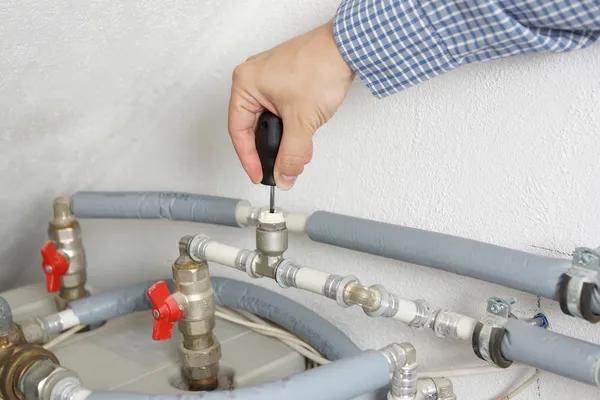
The type of issue affecting the furnace is one of the most significant determinants of repair costs. Simple problems such as replacing a thermostat or cleaning clogged filters usually incur minimal expenses because they require less time and fewer materials. On the other hand, more complex issues like fixing ignition systems, blower motors, or heat exchangers tend to be pricier due to their technical complexity and potential safety concerns involved in handling these components.
Labor costs also play a crucial role in determining overall expenses. Skilled technicians with experience in HVAC systems typically charge higher rates than those with less expertise. Additionally, emergency repairs outside standard business hours may involve overtime fees that increase pricing further. The geographical location also influences labor rates since urban areas often have higher service charges compared to rural regions.
Another important factor is parts replacement. Some furnaces use proprietary components that are more expensive or harder to find than generic ones available for older models or common brands. When original manufacturer parts must be ordered specially, this can add both time delays and additional cost to repairs. Moreover, newer furnaces with advanced technology might require specialized tools or knowledge for proper servicing, which could reflect in higher service fees.
Age and condition of the furnace impact repair economics as well. Older units may suffer from multiple wear-related issues simultaneously; addressing all these problems during one visit can elevate total costs but might save money over repeated smaller fixes later on. Conversely, if an aging furnace frequently breaks down requiring costly repairs, investing in a new unit could prove more economical long-term despite upfront purchase price.
Energy efficiency considerations sometimes affect decisions regarding repairs versus replacement too since modern furnaces offer better performance at lower operating costs after air conditioning installation sandy expenses are accounted for.
In summary, understanding what drives furnace repair costs involves evaluating problem complexity, technician expertise and labor rates, part availability and pricing, along with equipment age and energy efficiency factors. Being aware of these elements helps homeowners plan financially while ensuring their heating system remains safe and functional throughout colder seasons without unexpected financial strain disrupting comfort needs during winter months ahead.
One Stop Heating and Air Conditioning
611 W 9560 S Suite E, Sandy, UT 84070
801-797-2074