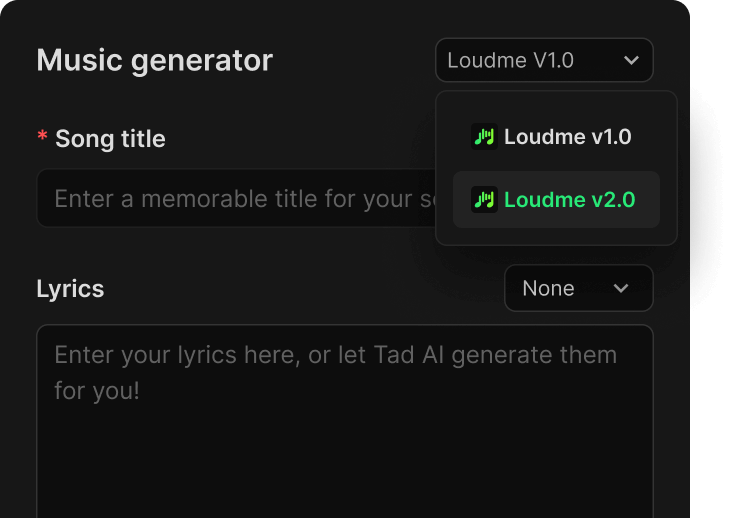
In recent years, advancements in artificial intelligence have revolutionized the music industry, making it possible for anyone to create original tracks with the help of AI song makers. These tools utilize machine learning algorithms to compose melodies, harmonies, and even lyrics based on user inputs or predefined parameters. Using an AI song maker can be an exciting and accessible way to explore music production without needing extensive knowledge of instruments or composition techniques.
To begin using an AI song maker, start by choosing a platform that suits your needs. Many online services and software applications offer varying degrees of customization and complexity. Some popular options include platforms that generate beats automatically, while others allow more detailed control over elements such as tempo, genre, mood, and instrumentation. Once you select a tool, familiarize yourself with its interface; most are designed to be user-friendly with intuitive controls.
The next step involves setting your preferences for the track you want to create. You may be prompted to select a musical style-such as pop, rock, jazz, or electronic-and specify the desired mood like happy, melancholic, or energetic. Additionally, some AI song maker makers let you input seed melodies or chord progressions if you already have ideas you’d like the system to build upon. By providing these initial inputs or simply selecting from presets, you guide the AI’s creative process toward producing something aligned with your vision.
After configuring these settings, initiate the generation process. The AI will analyze patterns from vast databases of existing music and use this information to compose new sequences that match your criteria. This usually takes just a few moments depending on the complexity of your request and computing power available.
Once generated tracks are ready for review; listen carefully through multiple iterations if possible because many platforms allow regenerating variations until satisfied with results. Pay attention not only to melody but also rhythm structure and overall arrangement quality since these factors contribute significantly to how polished a track sounds.
If lyrics are part of your project goal and supported by the tool chosen-some advanced AI song makers can assist in writing verses-review them closely too for coherence and emotional impact before finalizing content.
After settling on a preferred version of your track(s), export options typically include downloading audio files in formats such as MP3 or WAV so they can be used further in digital audio workstations (DAWs) for additional mixing or mastering if desired.
Finally remember that while AI song makers provide powerful assistance in composing music quickly and creatively they should ideally complement human creativity rather than replace it completely; adding personal touches during post-production stages ensures unique artistic expression remains intact despite automation involved during initial creation phases.
By following these steps thoughtfully users ranging from novices experimenting casually at home studios up through professional musicians seeking inspiration can harness AI technology effectively-to produce original songs tailored specifically around their creative intentions without requiring exhaustive technical expertise upfront.