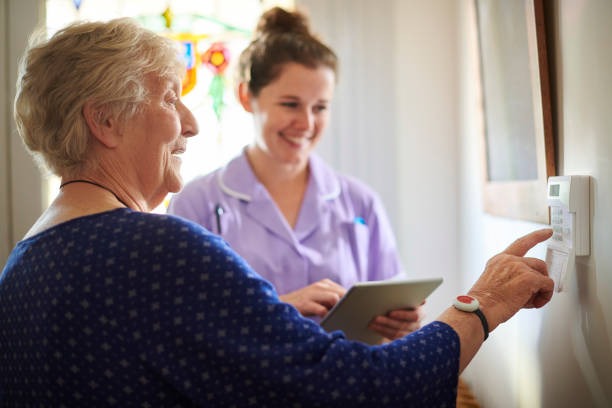
In the fast-paced environment of medical facilities, effective communication plays a crucial role in ensuring patient safety and enhancing the quality of care. Reliable nurse call networks have become an indispensable component in hospitals, clinics, and other healthcare settings. These systems enable seamless communication between patients and healthcare providers, facilitating timely responses to medical needs and emergencies.
A nurse call network is a technology infrastructure that connects patients’ rooms, nurses’ stations, and other key areas within a medical facility. It allows patients to alert nursing staff when assistance is needed, and nurses to communicate among themselves efficiently. The reliability of these networks is paramount, as any delay or failure in communication could lead to adverse patient outcomes.
Modern nurse call systems integrate advanced features such as wireless communication, real-time monitoring, and customizable alerts. These enhancements ensure that nurses receive notifications promptly, even when they are away from their stations. Additionally, the integration of mobile devices and wearable technology allows healthcare providers to respond quickly, improving overall workflow and reducing response times.
One of the major benefits of reliable nurse call networks is the improvement in patient satisfaction. When patients feel confident that their calls for assistance will be answered swiftly, their overall experience in the facility improves. This also reduces the stress and anxiety often associated with hospital stays. Furthermore, efficient communication helps in managing staff workload by prioritizing calls based on urgency, leading to better resource allocation.
Reliability in nurse call networks also contributes to compliance with healthcare regulations and standards. Many accrediting bodies require healthcare facilities to demonstrate effective patient communication systems as part of their quality assurance programs. By implementing robust nurse call networks, medical facilities can maintain compliance while enhancing patient safety and care quality.
Maintenance and regular testing of nurse call systems are essential to ensure continuous reliability. Medical facilities should partner with trusted vendors who provide comprehensive support, including installation, training, and ongoing technical assistance. Choosing scalable and flexible systems allows facilities to adapt to changing needs and technological advancements without compromising performance.
In conclusion, reliable nurse call networks are vital to the smooth operation of medical facilities. They enhance communication, improve patient safety, increase staff efficiency, and contribute to higher patient satisfaction. Investing in advanced and dependable nurse call systems is a strategic decision that supports the overall mission of delivering exceptional healthcare services.