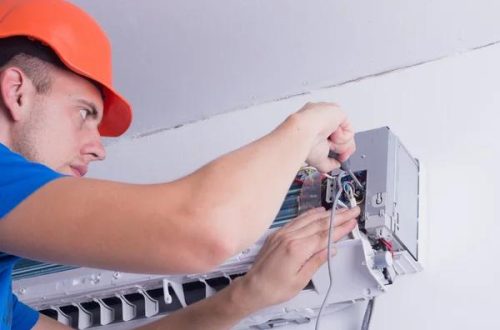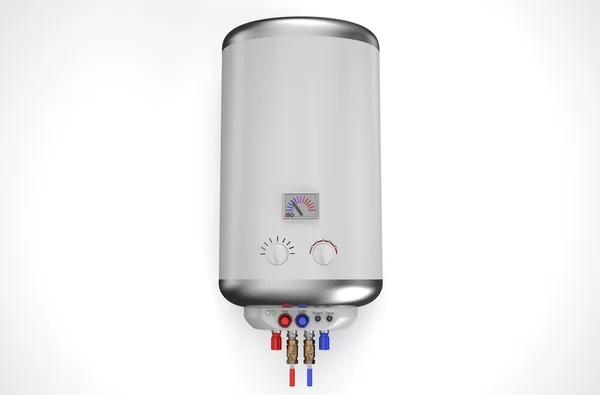
Installing a water heater requires careful attention to safety and compliance to ensure the system operates efficiently and reduces risks associated with faulty installation. Whether replacing an old unit or installing a new one, it is essential to follow local building codes and manufacturer guidelines throughout the process. Proper installation not only extends the lifespan of the water heater but also protects residents from hazards such as leaks, electrical faults, or gas leaks.
The first step in water heater installation involves selecting an appropriate location that meets clearance requirements for ventilation and maintenance access. This placement must comply with regulations concerning proximity to combustible materials and adequate airflow. For gas water heaters, ensuring proper venting is crucial to prevent carbon monoxide buildup inside living spaces. Electric models require secure electrical connections that conform to local wiring standards, including correct grounding procedures.
Before beginning any physical work, turning off power sources such as electricity or gas supply lines is mandatory for safety reasons. This precaution helps avoid accidental shocks or fires during installation activities. Removing the old unit carefully while checking existing plumbing connections allows installers to identify any potential issues like corrosion or pipe damage that might need repair before fitting the new heater.
When attaching pipes, using suitable materials compatible with both hot water systems and local code requirements ensures durability and prevents leaks over time. Connections should be tightened adequately without overtightening, which could cause damage or stress on fittings. Installing pressure relief valves correctly plays a significant role in maintaining safe operating pressures within the tank by releasing excess pressure when necessary.
For electric units, verifying voltage compatibility between the home’s electrical system and the water heater installation specifications avoids overloads that can lead to circuit failures or fire hazards. Professionals often recommend dedicated circuits for these appliances due to their substantial power consumption during heating cycles.
After completing mechanical installations, thorough testing is essential before regular use begins. Checking for leaks around all joints confirms tight seals are achieved while monitoring temperature settings guarantees they remain within recommended limits set by manufacturers or regulatory bodies designed to prevent scalding accidents.
Finally, documenting compliance through inspection reports provides proof of adherence to safety standards required by insurance companies or municipal authorities responsible for enforcing building codes related to plumbing fixtures like water heaters. Engaging licensed professionals trained in current regulations minimizes risks associated with improper setup and promotes long-term operational reliability paired with user protection against common dangers linked with hot water systems at home or commercial premises alike.
In summary, focusing on safety measures combined with strict compliance during every phase of installing a water heater safeguards occupants while optimizing performance longevity-making professional assistance highly advisable whenever undertaking this critical household upgrade task.
Service Squad
680 E Colorado Blvd, Suite 180, Pasadena, CA 91101
626-333-6519